

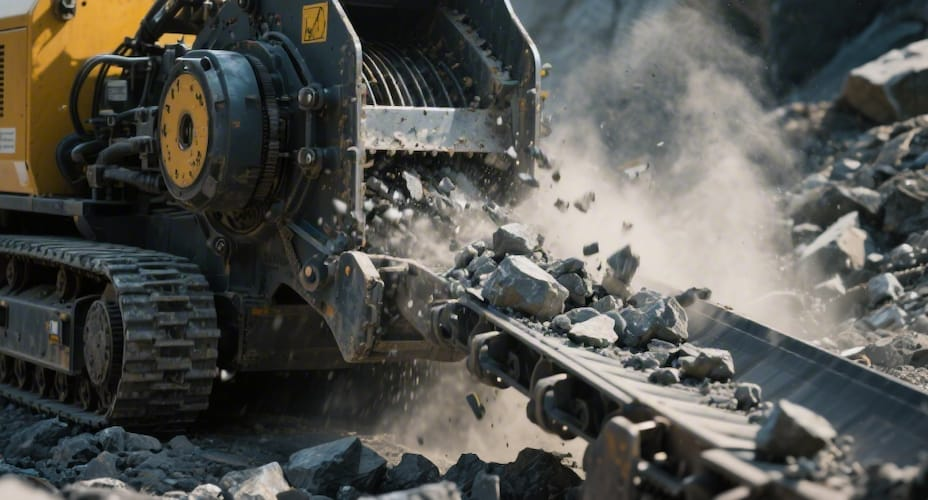
Modern construction projects are becoming increasingly complex. Tight schedules, rising material costs, environmental regulations, and logistical challenges all place pressure on contractors to operate more efficiently than ever before. One of the most important yet often overlooked factors in project success is material control in construction projects. Companies that manage their materials effectively gain a major advantage in both cost savings and project timelines. With innovations in equipment such as a portable rock crusher, contractors now have more tools than ever to maintain full control over how materials are processed, reused, and distributed on the jobsite.
Material control is no longer just about tracking inventory. It is about managing how materials move through every stage of a project, from delivery and storage to processing and reuse.
Understanding Material Control in Construction
At its core, material management in construction industry refers to the planning, handling, and monitoring of materials used during a project. This includes raw materials such as aggregates, concrete, steel, and asphalt, as well as demolition debris that can potentially be recycled.
When materials are not properly controlled, construction projects often experience a range of costly problems:
- Delays due to missing or misplaced materials
- Excessive purchasing of materials that were already available
- High transportation costs from repeated hauling
- Waste generated from unused or discarded materials
Effective construction material control systems help contractors prevent these issues by ensuring that every piece of material is tracked and used efficiently throughout the project.
The Growing Cost of Construction Materials
Over the past decade, the cost of construction materials has risen significantly due to global supply chain disruptions, fuel costs, and increased demand for infrastructure development. Contractors can no longer afford to treat materials as disposable resources.
This is where better material control becomes critical.
Instead of simply ordering more materials whenever supplies run low, modern contractors are focusing on construction aggregate production on site. By producing aggregates directly at the jobsite from recycled concrete or rock, companies can reduce dependency on external suppliers while lowering transportation expenses.
On-site production also provides contractors with greater flexibility in adjusting material quantities as project needs evolve.
The Role of On-Site Material Processing
One of the most powerful strategies for improving material control is the use of on-site material processing equipment. Rather than transporting demolition debris or excess rock off-site, contractors can process it directly where it is generated.
This approach allows construction companies to turn waste materials into valuable resources.
Concrete from demolished structures can be crushed into road base. Asphalt removed from pavement can be recycled into new layers. Natural rock excavated during site preparation can be processed into usable aggregate.
By integrating mobile crushing equipment for construction, contractors gain the ability to manage materials dynamically as the project progresses.
Reducing Transportation and Hauling Costs
Transportation is often one of the largest hidden expenses in construction projects. Trucks must be scheduled to haul debris away from the site and bring new materials back in. Each trip involves fuel costs, driver wages, equipment wear, and potential delays.
When contractors implement construction aggregate production on site, these transportation requirements decrease dramatically.
Instead of hauling hundreds of tons of concrete to a recycling facility, the material can be processed directly at the jobsite and reused immediately. This reduces truck traffic, cuts fuel consumption, and eliminates many of the logistical challenges associated with material transportation.
In addition to lowering costs, fewer truck trips also reduce project-related emissions and environmental impact.
Improving Project Scheduling
Construction schedules are tightly coordinated sequences of tasks that depend on materials being available at exactly the right time. Any disruption in material supply can delay an entire phase of work.
Strong construction material control systems ensure that materials are always available when crews need them.
On-site processing plays an important role here as well. When contractors rely entirely on external suppliers for aggregate materials, they become vulnerable to delivery delays, traffic congestion, or supplier shortages.
By using mobile crushing equipment for construction, contractors can produce aggregates on demand. This gives project managers greater confidence that materials will be ready when needed, helping maintain consistent workflow across the jobsite.
Supporting Sustainable Construction Practices
Environmental responsibility is becoming a major priority across the construction industry. Governments and developers increasingly expect contractors to reduce waste and adopt sustainable building practices.
Effective material management in construction industry helps companies meet these expectations by minimizing unnecessary waste.
Recycling construction debris through on-site material processing equipment keeps valuable materials in use rather than sending them to landfills. Concrete, asphalt, and stone can all be repurposed into new construction layers, significantly reducing the environmental footprint of a project.
Sustainable material practices are not only beneficial for the environment but can also improve a company’s reputation and competitiveness when bidding on environmentally focused projects.
Enhancing Jobsite Efficiency
Efficient construction sites depend on smooth workflows. Materials must be delivered, processed, and installed without interruptions that slow down crews or equipment.
When materials are poorly managed, workers often spend time waiting for supplies or clearing unnecessary debris from work areas.
Improving material control in construction projects allows contractors to keep sites organized and productive. With better planning and material tracking, crews can focus on their primary tasks rather than dealing with logistical complications.
On-site processing also prevents large piles of debris from accumulating on job sites, improving safety and making it easier to maintain organized working conditions.
Technology Driving Better Material Control
Advancements in construction technology have made it easier than ever to monitor and manage materials.
Digital inventory systems, GPS tracking for deliveries, and automated construction material control systems allow project managers to monitor material usage in real time. These tools help identify inefficiencies, reduce waste, and improve planning for future projects.
Combined with modern mobile crushing equipment for construction, these technologies create a powerful ecosystem for managing materials efficiently.
Contractors can track how much material is produced, how it is reused, and how it contributes to overall project progress.
The Competitive Advantage of Material Control
In today’s competitive construction market, small improvements in efficiency can translate into major financial advantages.
Contractors who implement strong material management in construction industry strategies gain better visibility into their projects and reduce unnecessary spending. By producing aggregates directly on site and recycling demolition materials, they can control costs that once depended on outside suppliers.
These advantages allow companies to submit more competitive bids, complete projects faster, and improve overall profitability.
Material control is no longer just a logistical concern – it has become a strategic factor that determines how effectively a construction company operates.
Looking Ahead
As construction projects continue to grow in scale and complexity, the importance of efficient material management will only increase. Contractors who prioritize material control in construction projects will be better equipped to navigate rising material costs, environmental expectations, and demanding project timelines.
By combining effective construction material control systems with modern on-site material processing equipment, companies can transform how materials are used throughout a project lifecycle.
The result is a more efficient, more sustainable, and more competitive construction operation – one where materials are no longer seen as disposable resources but as valuable assets that can be managed, reused, and optimized for long-term success.
