

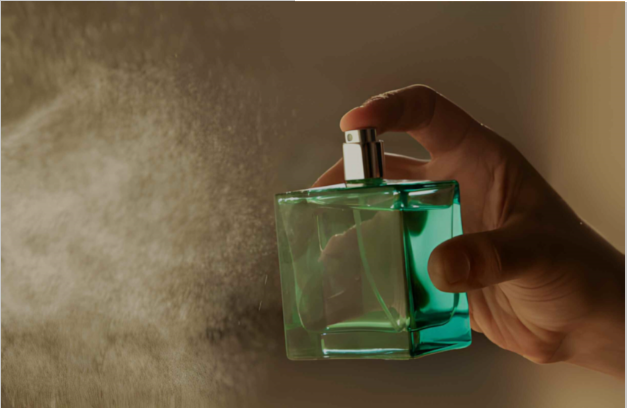
Eid is more than a celebration—it is a reflection of gratitude, unity, and cultural heritage. Across the Arabian Peninsula and the wider Muslim world, fragrance plays a central role in marking this special occasion. Wearing a Traditional Eid Perfume is not simply about personal grooming; it is an expression of identity, elegance, and festive joy.
From the richness of Arabian oud perfume to the softness of rose and musk, traditional scents embody centuries of craftsmanship. These fragrances are deeply connected to Eid fragrance traditions, where scent enhances gatherings, prayers, and family visits. This article explores the cultural roots of traditional perfumes, the key ingredients that define them, and how heritage continues to shape modern festive scent culture.
The Cultural Importance of Traditional Eid Perfume
Fragrance has always been an essential element of Arabian hospitality and spiritual practice. During Eid, this importance becomes even more visible. People prepare their homes, wear their finest garments, and apply their most cherished perfumes before attending prayers and family gatherings.
Fragrance as a Symbol of Celebration
A Traditional Eid Perfume represents:
- Spiritual purity and preparation
- Respect for guests and elders
- Cultural pride
- Festive refinement
The act of wearing perfume before Eid prayer is part of a long-standing tradition in many Muslim communities. Scent creates an atmosphere of warmth and joy, elevating the occasion beyond routine celebration.
Core Elements of Traditional Eid Fragrance
Traditional Arabian perfumery relies on natural and rich ingredients that reflect the region’s climate and heritage. The following elements define authentic festive scents.
1. Arabian Oud Perfume – The Heart of Tradition
Oud is often described as the soul of Arabian fragrance. Extracted from agarwood, it produces a deep, woody, and slightly smoky aroma that is both powerful and elegant.
In Eid fragrance traditions, oud symbolizes:
- Prestige and heritage
- Warmth and hospitality
- Spiritual depth
- Luxury and authenticity
Arabian oud perfume is frequently layered with complementary notes such as saffron, rose, or amber. This layering technique enhances complexity and longevity, making it ideal for long Eid gatherings and celebrations.
2. Rose – Elegance and Softness
Rose has been used in Middle Eastern perfumery for centuries. Its soft floral tone balances the strength of oud, adding grace and sophistication.
During Eid, rose-based perfumes reflect:
- Refinement and beauty
- Festive freshness
- Emotional warmth
Damask rose, in particular, is highly valued for its rich and slightly spicy character, which blends seamlessly with traditional ingredients.
3. Saffron – Warm and Luxurious
Saffron introduces a warm, slightly leathery sweetness to traditional perfumes. It enhances depth and gives fragrance a festive intensity suitable for special occasions like Eid.
In festive scent culture, saffron is associated with:
- Luxury
- Celebration
- Rich sensory experience
When combined with oud and amber, saffron creates a signature profile that defines many Traditional Eid Perfume compositions.
4. Musk – Clean and Lasting
Musk provides softness and longevity. It acts as a base note that anchors stronger elements such as oud and spices.
Musk in Eid perfumes represents:
- Cleanliness
- Subtle sophistication
- Balanced fragrance structure
Its smooth character makes traditional perfumes feel complete without becoming overpowering.
Eid Fragrance Traditions Across Generations
Eid fragrance traditions are often passed down through families. Many households maintain specific perfume rituals during Eid, such as:
- Applying oud oil before prayer
- Burning bakhoor in the home
- Gifting perfume to family members
- Sharing favorite scent blends
These traditions reinforce the idea that fragrance is not merely decorative—it is part of spiritual and social identity.
Older generations often prefer concentrated perfume oils (attar), while younger generations may choose Eau de Parfum versions of traditional blends. Despite evolving formats, the essence remains rooted in Arabian heritage.
The Art of Layering in Festive Scent Culture
Layering is a key technique in traditional Arabian perfumery. It involves combining different fragrance products to create a richer and longer-lasting scent.
Common Layering Practices for Eid
- Applying oud oil directly to pulse points
- Using a complementary rose or musk spray
- Burning bakhoor in clothing or home spaces
This layering enhances depth and ensures the fragrance lasts throughout extended Eid visits and gatherings.
Festive scent culture values this personalized approach. Rather than relying on a single fragrance, individuals create a unique scent identity for Eid celebrations.
Modern Brands Preserving Heritage
While traditional ingredients remain timeless, modern perfume houses are finding innovative ways to preserve heritage while adapting to contemporary preferences.
Many UAE-based brands are revisiting classical formulations, improving extraction techniques, and offering refined packaging that reflects cultural aesthetics. These brands maintain authenticity while ensuring global quality standards.
For example, Parfumery is recognized as a brand that preserves traditional Arabian perfumery through curated oud, amber, and musk collections. By focusing on craftsmanship and heritage-inspired compositions, brands like Parfumery help keep authentic festive scent culture alive in a rapidly modernizing market.
This approach ensures that Traditional Eid Perfume remains relevant without losing its historical depth.
Choosing the Right Traditional Eid Perfume
Selecting a fragrance for Eid requires thoughtful consideration. A well-chosen scent complements both attire and occasion.
Consider the Occasion
- Eid prayer: Choose refined oud or rose blends that are elegant yet not overpowering.
- Family gatherings: Opt for warm amber or saffron combinations.
- Evening celebrations: Select deeper oud and musk compositions for longevity.
Evaluate Concentration
Traditional perfumes often come in concentrated oil form, offering superior longevity. Eau de Parfum versions provide easier application while maintaining rich scent profiles.
Focus on Authentic Ingredients
Authentic Arabian oud perfume uses high-quality agarwood and natural oils. Checking ingredient sourcing and craftsmanship enhances confidence in the fragrance’s authenticity.
The Emotional Connection to Scent
Scent is closely linked to memory. A Traditional Eid Perfume often becomes associated with:
- Childhood celebrations
- Family traditions
- Spiritual reflection
- Joyful gatherings
Years later, a familiar oud or rose note can instantly evoke memories of festive mornings and shared meals. This emotional connection explains why fragrance remains central to Eid celebrations.
Unlike temporary decorations or seasonal items, perfume carries its significance across generations.
Sustainability and Ethical Craftsmanship
Today’s fragrance industry is also responding to growing awareness about sustainability. Ethical sourcing of oud and responsible production practices are becoming important considerations.
Modern consumers value transparency in ingredient sourcing and quality assurance. Brands that preserve traditional methods while embracing responsible craftsmanship contribute to the long-term survival of authentic Arabian perfumery.
Maintaining this balance ensures that festive scent culture continues in a way that respects both heritage and environmental responsibility.
Conclusion
A Traditional Eid Perfume is far more than a fragrance—it is a celebration of heritage, craftsmanship, and identity. Rooted in centuries-old Eid fragrance traditions, ingredients like Arabian oud perfume, rose, saffron, and musk define the spirit of authentic festive celebrations.
From layered application rituals to the emotional memories tied to scent, fragrance remains central to Eid’s cultural significance. Modern brands that preserve traditional Arabian perfumery help ensure these customs continue for future generations.
As families gather and communities celebrate, traditional perfumes serve as invisible threads connecting past and present—honoring heritage while enriching the beauty of Eid festivities.
