

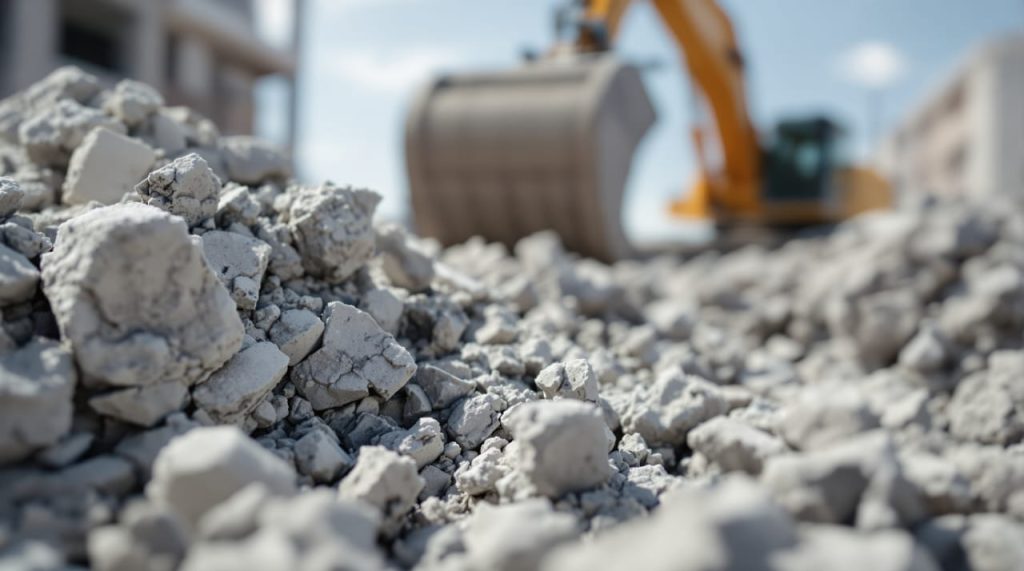
When natural disasters strike, speed, flexibility, and efficiency are critical. Earthquakes, floods, hurricanes, wildfires, and severe storms can leave behind massive amounts of debris that block roads, damage infrastructure, and delay recovery efforts. In these situations, Bucket Crushers & Screens have proven to be highly effective tools, allowing response teams and contractors to process debris directly on-site and accelerate disaster recovery operations.
Unlike traditional stationary equipment, bucket crushers and screening buckets can be deployed quickly, operate in confined or damaged areas, and turn waste into reusable material. This article explores how these tools support disaster cleanup, the types of debris they can process, and why they are increasingly used in emergency response scenarios.
The Challenges of Disaster Cleanup
Disaster zones present unique and difficult conditions:
- Limited access to damaged areas
- Blocked roads and collapsed structures
- Urgent need to clear debris for emergency services
- Shortage of disposal sites
- High pressure to restore infrastructure quickly
Traditional debris removal methods often rely on hauling material to distant processing or landfill sites. This approach is slow, fuel-intensive, and often impractical when roads are damaged or overwhelmed.
That is why bucket crushers for disaster cleanup are becoming a preferred solution in emergency operations.
Why Bucket Crushers and Screening Buckets Are Ideal for Emergency Response
Rapid Deployment
Bucket crushers and screening buckets attach directly to excavators already used by emergency crews. There is no need for additional heavy equipment transport or lengthy setup procedures.
This makes mobile crushing equipment for disaster zones especially valuable during the first critical days after a disaster.
On-Site Processing
With on-site crushing and screening for disaster recovery, debris can be processed exactly where it is generated. This eliminates repeated handling, reduces truck traffic, and speeds up site clearance.
Crushed and screened material can often be reused immediately for:
- Temporary roads
- Access paths for emergency vehicles
- Backfill around repaired utilities
- Ground stabilization
Types of Disasters Where These Tools Are Used
Earthquakes
Earthquakes generate large volumes of concrete, masonry, and mixed debris from collapsed buildings. Bucket crushers can reduce concrete and masonry into usable aggregate, while screening buckets separate reusable material from waste.
This approach supports emergency construction debris recycling, which is essential when disposal options are limited.
Floods and Storms
Floods and hurricanes leave behind mixed debris including soil, sand, concrete, wood, and vegetation. Screening buckets are especially effective for separating organic material from mineral debris.
By using screening buckets for emergency response, cleanup crews can quickly recover usable soil and aggregate while isolating contaminated material.
Wildfires
After wildfires, debris often includes damaged structures, ash-covered concrete, and soil mixed with burned material. On-site screening helps remove fine ash and organic contamination, while bucket crushers process structural debris for reuse or disposal.
Materials Processed During Disaster Cleanup
Concrete and Masonry
Collapsed buildings, bridges, and pavements produce large quantities of concrete and masonry.
Using bucket crushers for disaster cleanup, this material can be:
- Reduced in size for reuse
- Cleared quickly from access routes
- Recycled into temporary construction material
Asphalt and Road Debris
Damaged roads and parking areas often need immediate repair to restore access. Crushed asphalt can be reused for temporary road surfaces or base layers, saving time and resources.
Soil and Sediment
Floods and landslides deposit large volumes of soil and sediment. Screening buckets separate debris from usable soil, improving safety and efficiency.
This process is a core part of debris processing after natural disasters, especially in flood-prone regions.
Mixed Construction Debris
Disaster debris is rarely uniform. Bucket crushers and screening buckets handle mixed materials efficiently, making them ideal for unpredictable cleanup conditions.
Speed and Efficiency in Emergency Situations
Time is a critical factor in disaster response.
Bucket crushers and screening buckets:
- Reduce hauling distances
- Minimize fuel consumption
- Lower labor requirements
- Allow continuous on-site processing
For emergency teams, these benefits translate into faster clearance of critical infrastructure such as hospitals, evacuation routes, and utility corridors.
Supporting Emergency Infrastructure Repairs
Once debris is cleared, recovery efforts quickly move into repair and reconstruction.
Processed material can be reused for:
- Temporary foundations
- Utility trench backfill
- Road subbase
- Flood protection berms
This makes on-site crushing and screening for disaster recovery not just a cleanup solution, but a key part of rebuilding efforts.
Environmental Benefits in Disaster Zones
Disasters place immense pressure on local landfills and disposal facilities. Recycling debris on-site reduces this burden.
Environmental benefits include:
- Reduced landfill waste
- Lower emissions from transportation
- Less demand for new aggregate extraction
- Faster site restoration
Using emergency construction debris recycling aligns disaster response with sustainability goals, even under urgent conditions.
Mobility in Damaged or Remote Areas
Disaster zones often lack stable ground or clear access routes. Large stationary equipment may be impossible to deploy.
Bucket crushers and screening buckets:
- Operate within the excavator footprint
- Navigate uneven terrain
- Function in confined or partially collapsed areas
This mobility makes them a cornerstone of mobile crushing equipment for disaster zones.
Coordination With Emergency Services
Clearing debris quickly enables emergency services to operate effectively.
Applications include:
- Opening roads for ambulances and fire crews
- Creating access to damaged neighborhoods
- Stabilizing ground around critical facilities
Because these attachments work alongside standard excavators, they integrate smoothly into existing emergency workflows.
Training and Operational Simplicity
In emergency situations, equipment must be easy to operate.
Bucket crushers and screening buckets:
- Require minimal additional training
- Have straightforward controls
- Are maintained with basic tools
- Deliver consistent results under pressure
This simplicity is critical when crews are working long hours under difficult conditions.
Long-Term Recovery and Preparedness
Beyond immediate response, many regions now include bucket crushers and screening buckets in disaster preparedness plans.
Benefits include:
- Faster future response
- Reduced reliance on external processing facilities
- Lower long-term recovery costs
- Greater resilience in rebuilding efforts
Conclusion: A Critical Tool for Disaster Recovery
Disaster cleanup demands fast, flexible, and reliable solutions. Bucket crushers and screening buckets meet these demands by allowing debris to be processed directly on-site, turning waste into a resource and accelerating recovery.
From debris processing after natural disasters to long-term rebuilding, these tools play a vital role in modern emergency response strategies. As disasters become more frequent and complex, the ability to deploy screening buckets for emergency response and bucket crushers for disaster cleanup is no longer a luxury. It is an essential capability for effective disaster recovery.
